
American Robin
By Luca Navarro
Learn what a photo or short recording can and cannot prove about an american robin song, plus practical next checks and low-risk follow-ups.
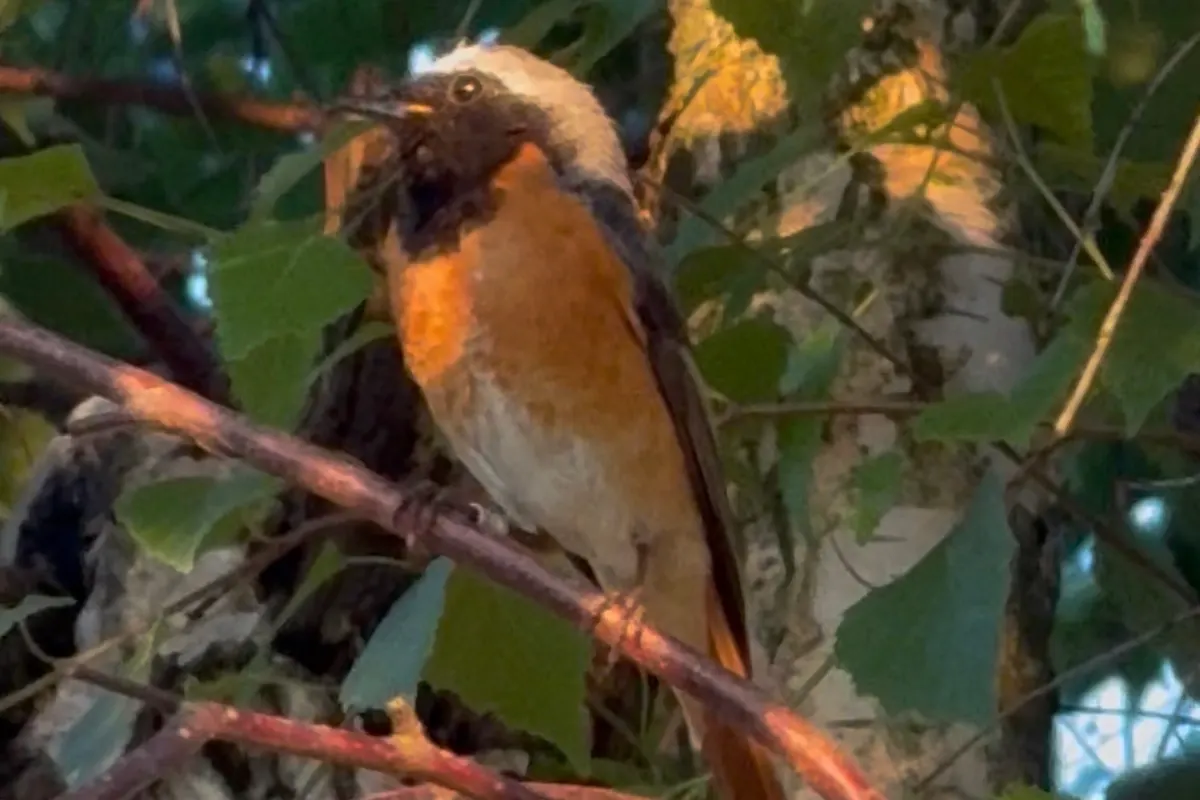
Identification summary
This record references an american robin song example logged from the project scans on 2026-06-19T20:45:15.368Z. The supplied scan entry contains no acoustic analysis fields and did not report a numeric confidence value, so the file-level metadata is limited to the identification timestamp and source.
Because the scan fields are empty, the narrative below combines what the american robin song is commonly reported to sound like with conservative checks you can perform on your own recordings and photos. The goal is to show which claims a single recording or image can support and which require additional evidence or expert review.
Identification
| Recorded item | american robin song (topic example) |
|---|
Source
| Scan source | scans |
|---|
Recorded at
| Timestamp provided | 2026-06-19T20:45:15.368Z |
|---|
Confidence
| Reported confidence | Not reported in scan fields |
|---|
Scan data
| Available fields | No acoustic or field metadata supplied |
|---|
Authentication
| Verification status | No authentication metadata provided |
|---|
Historical context
The American robin (Turdus migratorius) is one of the most widely heard North American breeding birds; its song has long been used as a benchmark example in guides and citizen science collections.
Because robin song appears frequently in dawn choruses and urban settings, single recordings are often clear but can still be confused with thrush relatives or mimicry by other species; historical recordings show seasonal and regional variation that a lone scan cannot fully document.
American Robin Song: identification notes
The american robin song is often described as a flutelike series of clear phrases; many listeners remember it by the cheerful "cheerily, cheer-up" mnemonic. For an individual recording or photo, the strongest evidence for that label is consistent repetition of the characteristic phrase shape across multiple phrases within the clip.
In practice you should confirm: does the recording include several distinct phrases with a bright timbre and short, repeated pulses? Is the song delivered in a pattern of 2–5 phrases before a pause? Those rhythm and repetition features are the most diagnostic items a single short clip can show.
Limits of a single file: a short or noisy recording can blur pitch and rhythm, and a single photo cannot confirm song attributes at all. When scan metadata are empty — as in this record — treat the identification timestamp as an index, not as proof of species-specific acoustics.
- Phrase shape: look for 2–5 bright, flutelike phrases that often peak early and end with a short downward slide.
- Rhythm & repetition: robin song commonly repeats short phrases 3–6 times with small pauses between each cluster.
- Pitch clues: relative pitch tends to sit in the mid-frequency range for backyard recordings; wind and distance can shift apparent pitch.
- Recording limits to note: background noise, distance, and microphone quality can alter perceived rhythm and pitch.
Key attributes of an American robin song
Translate conventional identification labels—Era, Origin, Material, Condition—into sound-focused checks. For example, 'Origin' becomes where and when the clip was taken; 'Condition' becomes recording clarity. For this scan the only confirmed attribute from the record is the timestamp and source, not acoustic content.
Authentication in a sound context depends on repeated pattern matches across multiple phrases and independent corroboration (another observer, a photo of the singer, or a second recording). Without those, a single scan entry with empty fields cannot confirm the finer attributes that separate close lookalikes.
Compare the phrase shape and rhythm in your clip to reference examples. The robin's phrase often has a bright attack, even spacing between syllables, and a final soft downward inflection. If those features are present across several phrases in your file, they strengthen an american robin song interpretation; absent them, consider alternative species or noisy conditions.
- Origin (recording context): timestamp present but no location or recorder metadata in scan.
- Condition (clip quality): not reported — check for wind, distance, and overlapping sounds in your own file.
- Authentication (confirming evidence): seek a matching photo of the singer, multiple recordings, or independent observer notes.
- Practical checks: compare rhythm, phrase repetition, and pitch contour to known robin references before accepting a single-file ID.
Why the American robin song sounds familiar
American robin song is culturally prominent because robins sing in many habitats and early in the morning; those frequent encounters produce many clear reference recordings in field guides and online libraries. Regional variation exists, so a match to a local reference sample is preferable to a generic description.
Listen for seasonal patterns: robin song is strongest during breeding season and at dawn, which helps separate it from non-song calls or juvenile vocalizations. If your recording's timestamp corresponds to typical dawn chorus hours, that context adds weight to a song identification but does not guarantee species confirmation.
If you want deeper comparison resources, see the closer technical discussion in our robin-focused piece for phrase patterns and lookalike calls: https://birdcallidentifier.app/blog/robin-song. For distinctions between alarm and contact calls that can confuse listeners, the article at https://birdcallidentifier.app/blog/bird-alarm-calls-vs-contact-calls is a practical next reference.
- Seasonality: strong robin singing usually coincides with breeding season and dawn chorus.
- Regional variation: local reference samples reduce misidentification risk.
- Contextual corroboration: habitat notes and photos increase confidence.
Related guides
Organize your clips and compare clues with Bird Call Identifier - Featha
After you apply the checks above, consider using Bird Call Identifier - Featha as an optional next step to organize recordings and photos and to compare visible clues against reference examples. Learn more about the sound tool here: https://birdcallidentifier.app/tools/bird-sound-identifier — treat instrument results as guidance and combine them with photos and notes for best confidence.
Take the next step →Frequently asked questions
Which common bird sounds are often mistaken for an American robin song?
Thrushes and some mimicking species can produce flute-like phrases similar to robin song; short recordings with background noise can make warbler or mimic phrases sound robin-like. To reduce confusion, compare phrase repetition, the typical "cheerily" cadence, and timing (robins often sing in short repeated clusters). If you only have a single noisy clip, seek another recording or a photo of the singer before relying on the ID.
How can I tell if a short recording shows real robin song or background noise?
Listen for repeated phrases with a consistent shape and predictable spacing. Noise tends to be broadband and non-repeating; a true robin song will reproduce the same phrase pattern several times. Use headphones, slow the clip slightly if possible, and look for a clear attack and short downward inflection at phrase ends.
What follow-up checks should I do after a probable american robin song ID?
Try to get one or more of: (1) a second audio clip showing additional phrases, (2) a photo of the singing bird to tie song to plumage and posture, or (3) an independent observer note. Also record or note habitat and time of day—robins are common at dawn and in open yards—because context helps resolve borderline cases.
When should I consult tools or experts instead of trusting my own audio comparison?
If your recording is short, noisy, or lacks repeated phrases, automated tools or community experts can provide a useful second opinion. Use such tools as a first pass to organize evidence, then follow up with additional recordings or photos before accepting a firm identification.