
Snow Bunting
Learn which birds that mimic sounds details a photo can prove, which it cannot, and the follow-up checks worth doing before you rely on the answer.
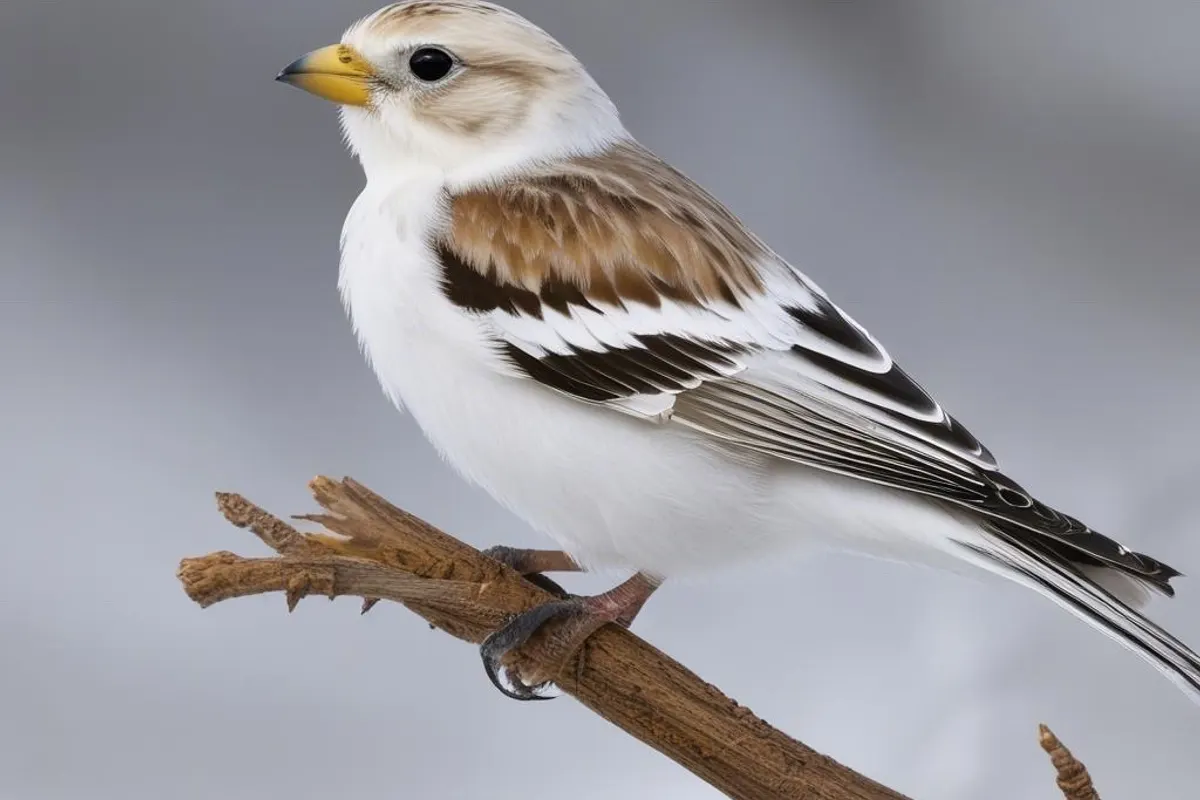
Identification summary
This record is an example identification entry created for the topic birds that mimic sounds. The scan metadata shows an identification timestamp of 2026-05-15T00:08:24.737Z but no attribute fields or confidence value were included in the scan data.
Because the scan fields are empty, the narrative below focuses on the visible evidence a photo can and cannot provide for an identification of a mimicry-capable bird, and on which follow-up checks typically add confidence.
Use this record as a documented example: the scan log exists, but the image- and audio-specific attributes required for a firm conclusion were not supplied in the scan itself.
Scan metadata
| Source | scans |
|---|---|
| Identified at | 2026-05-15T00:08:24.737Z |
Confidence
| Confidence | Not provided |
|---|
Reported values
| Recorded fields | No attribute fields were included in the scan |
|---|
Estimated value
| Estimated value range | Not provided |
|---|
Authentication
| Verification | None provided |
|---|
Historical context
This entry was created from the site's scan system and illustrates a common content-gap: users supply a photo but the scan record lacks associated audio, habitat, or season data that would help confirm mimicry behavior.
Because the scan does not include measurable attributes, the identification note emphasizes which visible clues to collect next and which claims require sound recordings, field notes, or expert review.
Related guides
Next step: pair your photos with organized evidence
After checking the visible clues here, use Bird Call Identifier - Featha to organize your photos, tag dates and locations, and add any recordings you collected. For focused sound comparison try the site’s bird-sound identifier at https://birdcallidentifier.app/tools/bird-sound-identifier — it’s a practical next step to help compare visual clues with audio evidence.
Take the next step →Frequently asked questions
Can a photo alone prove a bird was mimicking a sound?
No. A photo can identify the likely species and show behavioral context but cannot prove mimicry. Confirming mimicry requires audio (a recording or spectrogram), repeated observations, or video with synced sound.
What should I include with a photo to show mimicry more convincingly?
Add a time-stamped audio recording or video with sound, notes on the habitat and behavior (what the bird did while producing the sound), and the exact location and date. Multiple independent recordings or observer corroboration strengthen the case.
What do weird bird sounds in my backyard at dusk mean?
Weird bird sounds can indicate mimicry, territorial displays, juvenile practice, or activity by nocturnal species. To interpret them, record clear audio, note the time and habitat, and compare the recording to known local species or reach out to an expert with both the photo and audio.
When is expert review necessary for mimicry claims?
Seek expert review if the bird's purported mimicry sounds like other species or human-made noises, if the recording is noisy, or if the identification has conservation or research implications. Experts can analyze spectrograms and evaluate whether the sequence is consistent with species-specific vocal patterns.